Filter by attributes
Products
Sort by
Display
per page
View as
313 products found
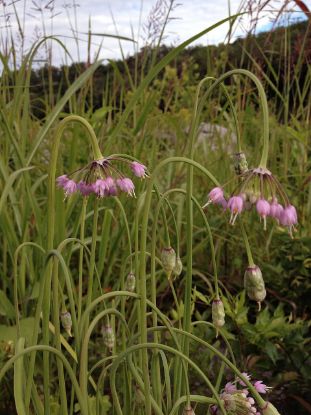
Nodding Onion (Allium cernuum)
The flowers of this native onion droop and face down. Primarily pollinated by bees. Spreads by both seeds and bulb offsets. The onion smell is not preferred by most garden nibblers.
Currently not available
$6.25
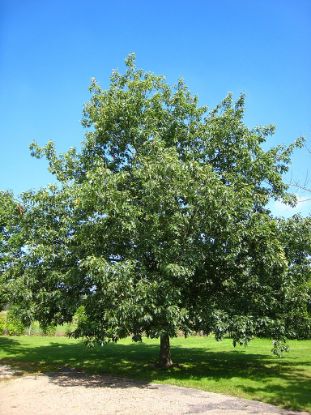
Northern Red Oak (Quercus rubra)
Oaks are wonderful shade trees. This oak has a nice, rounded shape, growing about as tall as wide. Oaks attract lots of wildlife, from insects that feed on the tree, to birds that feed on the insects, and mammals that feed on the acorns.
Limited quantity
From $14.00
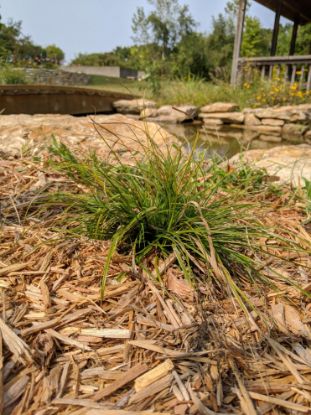
Oak Sedge (Carex albicans)
Semi-evergreen. A cute, tufted sedge that would be good for a border or ground cover in a shady garden.
In stock
From $6.25
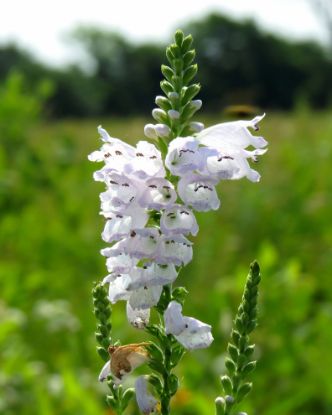
Obedient Plant (Physostegia virginiana)
Spreads quickly. Taller plants may need to be staked. "Obedient" because you can move the flowers and they will stay in the new position. Thrives in moist areas.
In stock
$6.25
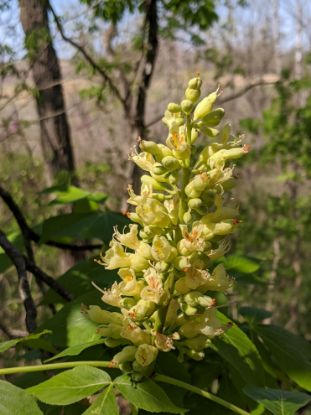
Ohio Buckeye (Aesculus glabra)
An understory tree that typically only reaches about 20 feet. One of the first trees to leaf out in the spring; Tracy likes to call them "Truffala trees" because of the shape the leaves make as they are emerging from the bud in early spring.
Currently not available
From $14.00
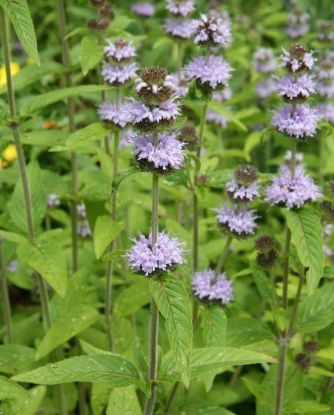
Ohio Horsemint (Blephilia ciliata)
Great pollinator plant - avoided by most mammals but loved by many insects. Clump-forming mint; less aggressive and less fragrant than many other mints. Basal leaves may be evergreen. Tolerates a wide range of conditions.
In stock
$6.25
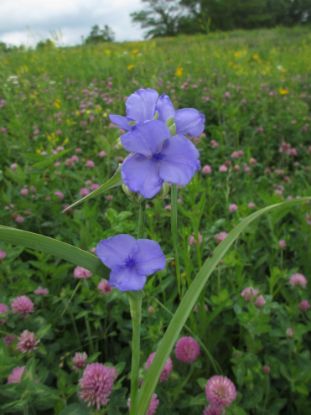
Ohio Spiderwort (Tradescantia ohiensis)
Readily self-seeds and looks great in mass. Plant with other plants that have nice summer foliage as the Tradescantia may die back in the heat of summer.
Limited quantity
$6.25
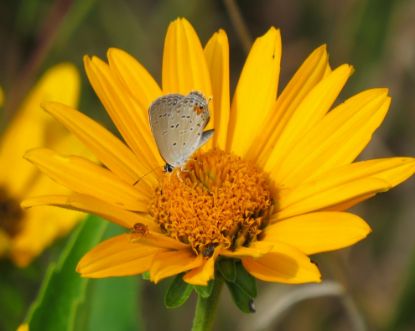
Ox-Eye Sunflower (Heliopsis helianthoides)
Blooms all summer. Cut back 1/3 to 1/2 of the plant in May to reduce plant height.
In stock
$6.25
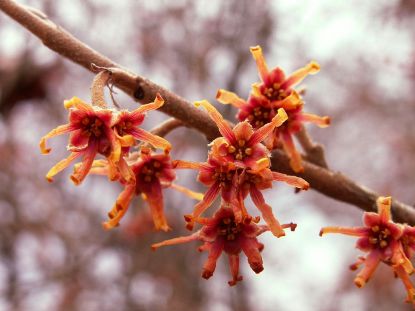
Ozark Witch Hazel (Hamamelis vernalis)
Provides food and cover for wildlife. Winter blooms are an exciting find in the forest. May get better seed production with multiple trees.
Out of stock
From $14.00
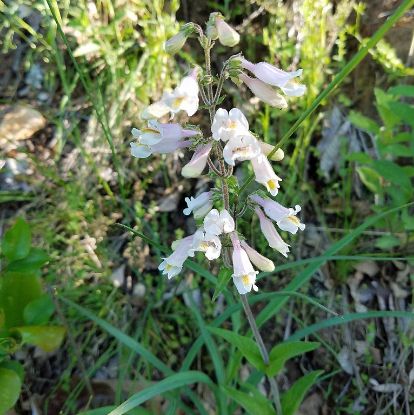
Pale Beardtongue (Penstemon pallidus)
Similar to P. digitalis but shorter and can take drier conditions. We like the hairy leaves of this species that adds a nice texture to the garden. A great plant to add to your bee or hummingbird garden.
In stock
$6.25
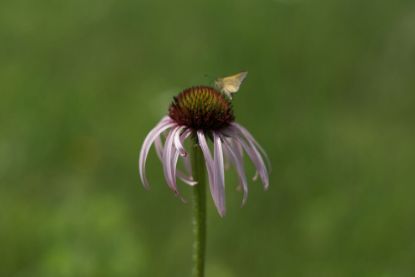
Pale Purple Coneflower (Echinacea pallida)
Prefers poor soils and tolerates drought and heat. Goldfinches feed on the seeds and many bees and butterflies prefer this plant for its pollen and nectar. Supports the specialist Mining Bee, Andrena helianthiformis.
In stock
$6.25
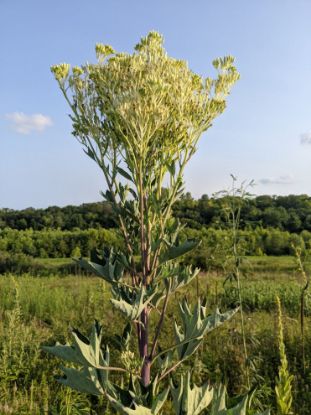
Pale-Leaf White Torch (Arnoglossum atriplicifolium)
A large, upright plant with nice form. Rubbery leaves with dark green tops and pale green undersides alongside a purple stem add a lot of color and texture. Leaves may look wilted during dry heat. Readily selfseeds.
Limited quantity
$6.25
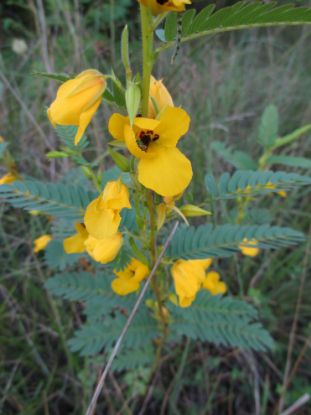
Partridge Pea (Chamaecrista fasciculata)
Annual; allow to reseed. Visited by many different insects for the flower pollen, nectaries along the stem, and foliage; loved by bees. Two bee species specialize on this plant. Hosts Sulfur butterflies. Not prefered by deer.
Out of stock
$6.25
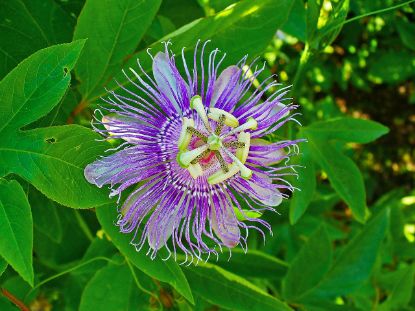
Passion Flower (Passiflora incarnata)
A vine - spreads quickly by rhizomes. Best grown on a structure in an area where the spread can be controlled. Produces edible fruits. Typically dies back to the ground each winter. Host plant for fritillary butterflies.
Limited quantity
$6.25
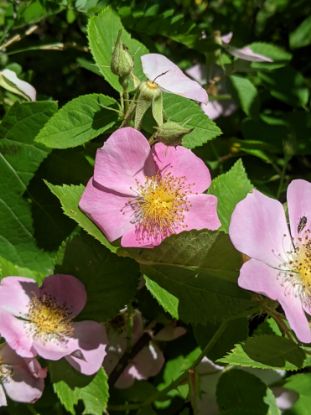
Pasture Rose (Rosa carolina)
A prickly, short, shrubby, native rose. Can tolerate shade, but grows best in full sun for disease resistance and full blooms. Rose hips eaten by birds and mammals and used to make teas.
Out of stock
$6.25